
General information, not individual medical advice. This article cannot take account of your medical history, medicines or circumstances. Speak to a GP, pharmacist or other healthcare professional before making significant changes to what you eat or to any treatment, particularly if you have a medical condition, follow a prescribed diet, take medicines affected by food intake, are pregnant or breastfeeding, or have an eating disorder now or in the past.
A useful weight-loss meal plan is one you can repeat, adapt and shop for without needing a separate menu for every day. This one uses familiar foods, planned leftovers and low-cost swaps. It is a starting template, not a fixed calorie prescription: people have different energy and nutritional needs.
The NHS explains that weight loss involves taking in less energy than the body uses over time, while its healthy-eating guidance recommends a varied, balanced diet. You do not need to avoid an entire food group to make progress.
How to use this plan
Choose portions that suit your appetite and needs. If a meal does not keep you satisfied, add more vegetables, fruit, beans, yoghurt or another suitable food rather than skipping the next meal. If you have a health condition, a prescribed diet or a current or past eating disorder, ask a healthcare professional for individual advice before following a weight-loss plan.
The seven-day menu
| Day | Breakfast | Lunch | Dinner |
|---|---|---|---|
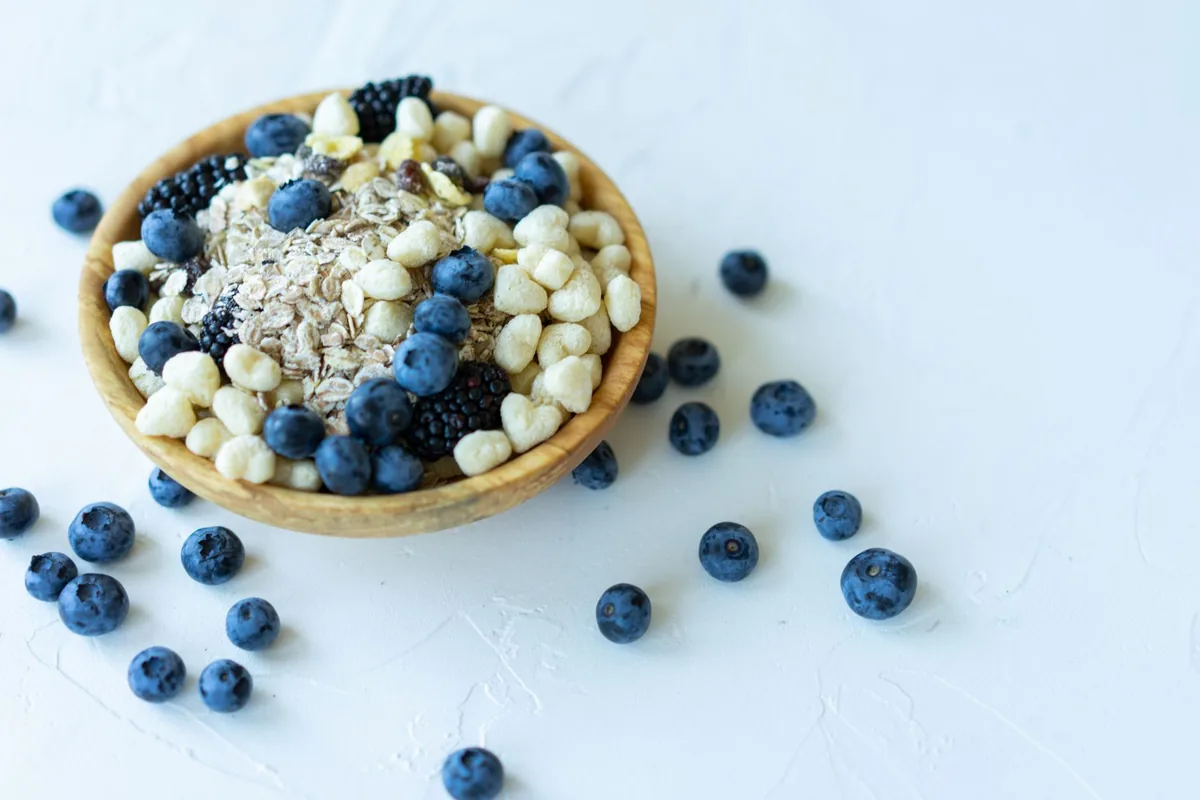
| 1 | Porridge with plain yoghurt and frozen berries | Wholemeal chicken or chickpea wrap with salad and yoghurt dressing | Lentil bolognese with wholemeal pasta and side vegetables |
| 2 | Eggs on wholemeal toast with tomatoes | Jacket potato with tuna or beans and a side salad | Baked fish or tofu, potatoes and green vegetables |
| 3 | Plain yoghurt with oats, apple and a few nuts | Lentil soup with wholemeal bread | Chicken, tofu or chickpea stir-fry with rice and mixed vegetables |
| 4 | Porridge with banana and cinnamon | Leftover stir-fry in a bowl or wrap | Bean chilli with rice and salad |
| 5 | Scrambled eggs or tofu on wholemeal toast | Tuna, chickpea or egg salad with potatoes | Tray-baked chicken or chickpeas with potatoes and mixed vegetables |
| 6 | Overnight oats with fruit | Wholemeal pitta with hummus, falafel and salad | Salmon, white fish or beans in a mild curry with rice and vegetables |
| 7 | High-fibre cereal or oats with milk or a suitable alternative and fruit | Leftover chilli, soup or tray-bake ingredients | Baked potato with cottage cheese, beans or tuna and a large side salad |
If you want a snack, plan one that helps you feel comfortable between meals, such as fruit and yoghurt, carrots with hummus, or a small handful of nuts. Snacks are optional; they are not compulsory or a test of willpower.
Make it cheaper and easier
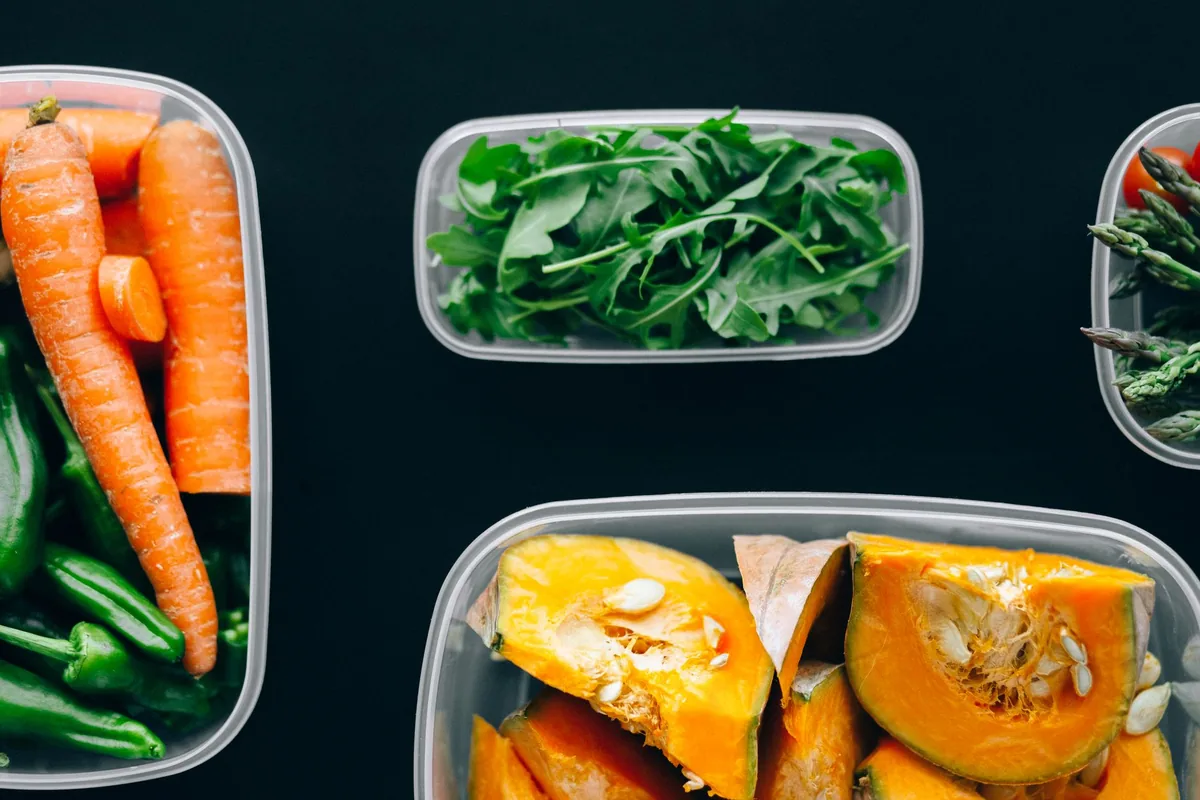
- Use frozen berries and vegetables; they are convenient and reduce waste.
- Use tinned beans, chickpeas, lentils and tomatoes.
- Swap fresh fish for frozen white fish, eggs or beans.
- Use chicken in one meal and chickpeas or lentils in another.
- Buy oats, potatoes, rice and wholemeal pasta in larger, lower-cost packs when practical.
- Make extra lentil bolognese or chilli and use the leftovers for lunch.
A rough shopping list for one adult
This is a starting list, not a requirement to buy every item. Choose the swaps you prefer and adjust quantities for appetite, household size and how often you want leftovers.
- Oats, about 300g; plain yoghurt, about 750g to 1kg; milk or a suitable alternative; frozen berries; bananas and apples.
- Eggs, 4 to 6; one loaf of wholemeal bread; a few wraps or pittas.
- Potatoes, about 5 to 7 medium; wholemeal pasta, rice and a high-fibre cereal if you use one.
- Lentils, beans and chickpeas; 2 to 3 tins of chopped tomatoes; hummus.
- A few servings of chicken, tofu or both; 2 portions of frozen fish; tuna if you want it for a jacket potato.
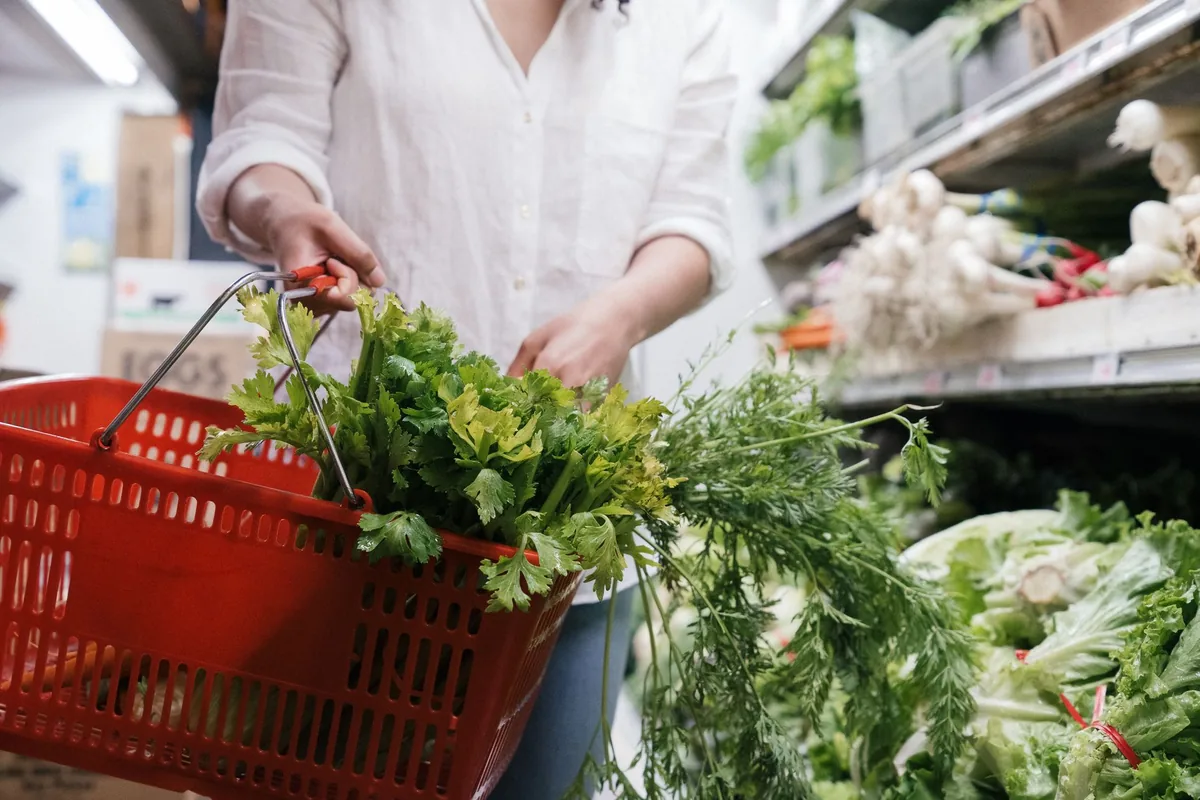
- A large bag or mix of frozen vegetables, plus salad vegetables or cabbage.
A simple prep session
Set aside about an hour if it suits your week. Cook the lentil bolognese and bean chilli, roast a tray of vegetables or potatoes, and prepare ingredients for two lunches. Use a labelled container for planned leftovers so they are easy to spot. Keep one or two meals flexible for social plans, late finishes or days when the original menu does not appeal.
This plan is deliberately built around repeatable ingredients. If you dislike a meal, swap it for another meal with a similar role: a filling protein source, a fibre-rich food and vegetables or fruit. You do not need to follow the days in order.
Vegetarian, vegan and other swaps
For a vegetarian version, use eggs, yoghurt, cottage cheese, beans, lentils, tofu or a meat-free alternative you enjoy. For a vegan version, use beans, lentils, chickpeas, tofu or a suitable fortified alternative to dairy. If you have allergies, coeliac disease or another medical dietary requirement, use foods that are safe for you and seek tailored advice if needed.
Why there is no 1,200-calorie target
A calorie target that suits one adult may be inappropriate for another. The NHS gives around 600 fewer calories a day as a general guide for adults, not as a universal personal target. Very-low-energy diets are a separate clinical intervention: NICE says diets under 800 calories should only be used within a specialist weight-management service for selected people.
The best use of this plan is to make everyday meals more predictable and satisfying. If you want a calorie target, use a reputable NHS tool or discuss it with a qualified professional who can take your circumstances into account.
Sources
Links checked on 25 September 2026.
Date Written:
12/06/2026
Role:
Clinical Pharmacist
Date Checked:
12/06/2026
Role:
Pharmacist
Wondering whether treatment is an option?
Check your BMI against the UK eligibility thresholds, or complete a free online assessment and a GPhC-registered prescriber will review whether treatment is appropriate for you.