
General information, not individual medical advice. This article cannot take account of your medical history, medicines or circumstances. Speak to a GP, pharmacist or other healthcare professional before making significant changes to what you eat or to any treatment, particularly if you have a medical condition, follow a prescribed diet, take medicines affected by food intake, are pregnant or breastfeeding, or have an eating disorder now or in the past.
Yes, it is possible to lose weight without going to the gym or following a workout programme. Weight loss happens when, over time, you take in less energy than your body uses. For many people, the most practical place to start is food and drink, not trying to burn off every meal.
That does not mean eating as little as possible. The NHS advises aiming for gradual weight loss and warns against sudden dieting. A plan that leaves you exhausted, preoccupied with food or unable to eat normally is not a good shortcut.
Start with the part you can control
For one ordinary week, notice what you eat and drink without trying to make the record perfect. Include drinks, snacks, cooking oil, spreads, sauces and food picked at while cooking. The NHS guidance on calories highlights these easy-to-miss extras because they can change the energy in a meal.
You can use an app, a notebook or a simple list. If tracking calories makes you anxious or obsessive, skip the numbers and write down the habits instead. The point is to find one or two changes that fit your life.
Make two changes you can repeat
Avoid changing everything at once. Choose two of these and try them for a fortnight:
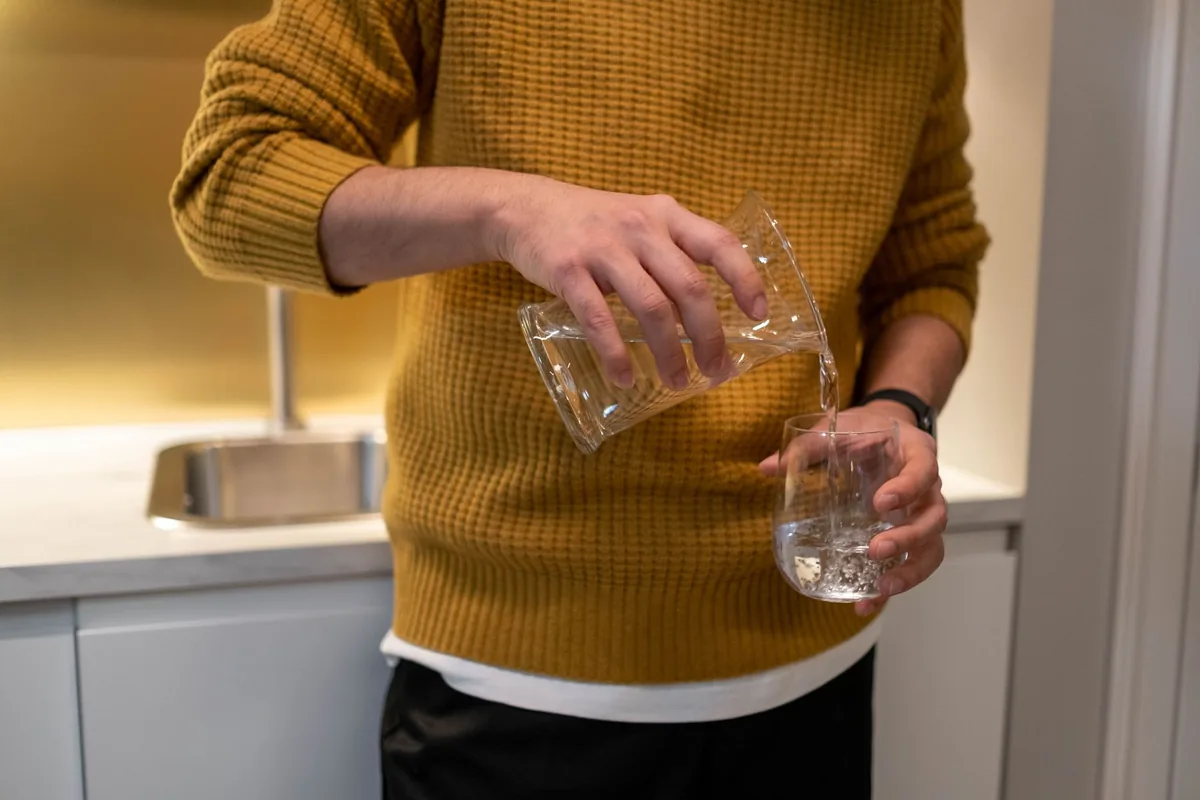
- Replace sugary drinks or regular high-calorie coffees with water, sugar-free drinks or a smaller version.
- Serve meals onto a plate rather than eating from a packet or sharing dish.
- Keep the meal you like, but add vegetables, beans or salad and review the portion of the most energy-dense parts.
- Plan an afternoon snack if arriving at dinner extremely hungry leads to grazing.
- Measure oils, spreads or dressings for a week so you can see how much you usually use.
- Make a plan for takeaway nights rather than treating the weekend as a reset.
The NHS suggests reducing intake by around 600 calories a day as a general guide for adults, but that is not a personal prescription. Needs differ by body size, age, health, medicines and activity. A smaller, sustainable change can be a better starting point than a large cut that is difficult to maintain.
Build meals that are satisfying
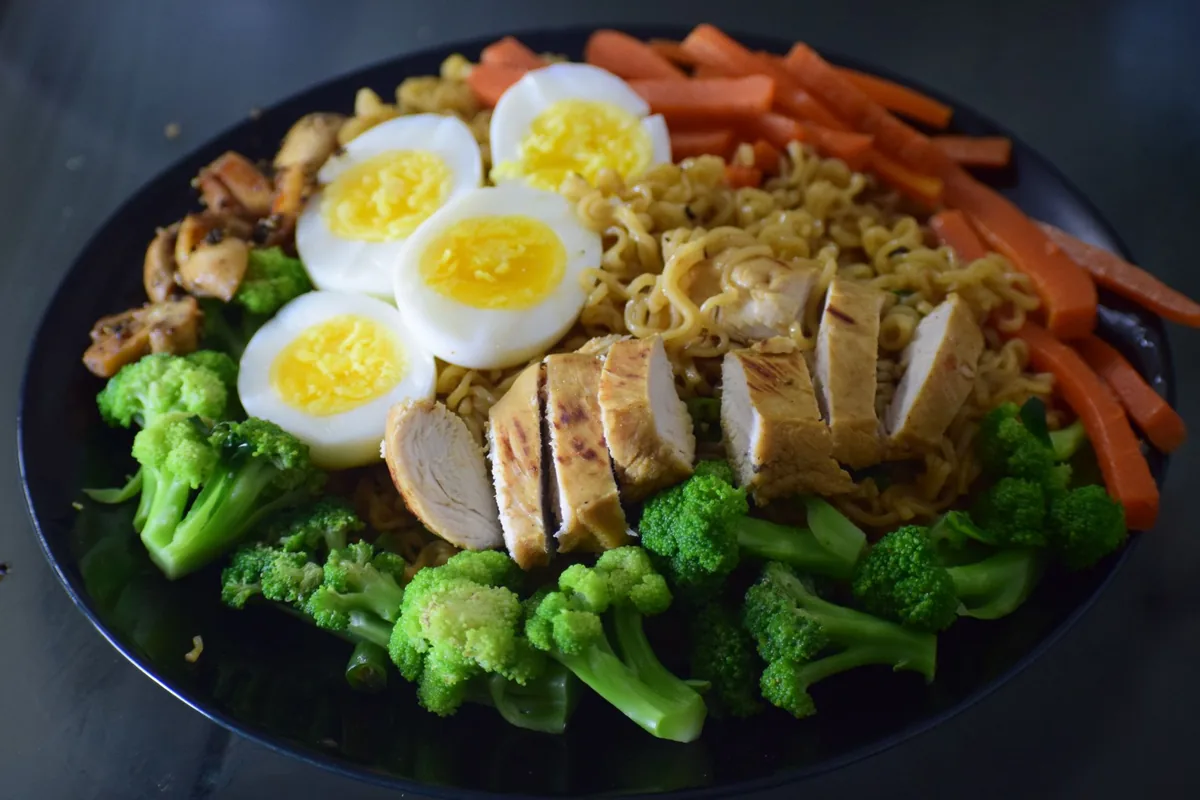
A useful meal usually has a source of protein, a fibre-rich food and a portion of starchy carbohydrate or another filling food. For example:
- porridge with plain yoghurt and fruit
- eggs on wholemeal toast with tomatoes
- a jacket potato with tuna, beans or cottage cheese and salad
- lentil or bean chilli with rice and vegetables
- chicken, tofu or chickpeas with a stir-fry mix and noodles
Protein foods and fibre-rich foods can help make meals more satisfying, but no single ingredient burns fat. You do not need to cut out bread, potatoes or fruit to lose weight. The NHS Eatwell guidance is a useful reference for building a balanced pattern rather than relying on a list of "good" and "bad" foods.

What if you cannot exercise?
You do not need to earn food through exercise. If pain, disability, fatigue, time, confidence or another health issue makes exercise difficult, focus on meals and drinks first. Everyday movement such as walking around the house, gardening or taking a few extra steps may be possible for some people, but it is optional for weight loss and should be adapted to your circumstances.
Physical activity has benefits beyond the number on the scale. If you would like to become more active but have symptoms, pain or a medical restriction, ask a healthcare professional about suitable options rather than pushing through.
A two-week starting plan
- Days 1–3: Notice the routine you already have. Include drinks, weekends and portions.
- Days 4–7: Pick two changes from the list above. Make sure meals are still regular and satisfying.
- Days 8–14: Repeat the same changes. If useful, compare your average weight across the week rather than judging progress from one morning's reading. Keep the changes that feel manageable.
The NHS general guide is to aim for about 0.5 to 1kg of weight loss a week, but real results vary. A slower result is not a failure, and a faster early scale change does not necessarily mean the same amount of body fat has been lost.
A quick way to choose your first change
Look for the part of the day where a small change would make the least difference to your enjoyment or routine. If you have two sweet drinks most days, start with one. If dinner portions vary because you arrive home very hungry, plan a filling afternoon snack. If your usual lunch is difficult to manage, make two easy lunches in advance. The aim is not to find the "worst" food; it is to find a change you will still be doing next week.
Review the change after two weeks. If it felt manageable, keep it. If it made you hungry or disrupted your routine, choose a different lever rather than responding with a bigger restriction.
Avoid these shortcuts
Do not try to force rapid results by starving yourself, dehydrating yourself, using laxatives or taking unregulated "fat burners". NICE says very-low-energy diets under 800 calories should only be considered as part of a specialist weight-management service for selected people. They are not a general self-directed weight-loss method.
If you have a medical condition, follow a prescribed diet, take medicines affected by food intake, or have an eating disorder now or in the past, speak to a GP or healthcare professional before making significant changes.
Sources
- NHS: Tips to help you lose weight
- NHS: Understanding calories
- NICE NG246: Overweight and obesity management
Links checked on 25 September 2026.
Date Written:
12/06/2026
Role:
Clinical Pharmacist
Date Checked:
12/06/2026
Role:
Pharmacist
Wondering whether treatment is an option?
Check your BMI against the UK eligibility thresholds, or complete a free online assessment and a GPhC-registered prescriber will review whether treatment is appropriate for you.